Country guide United States
United States Travel Guide: 10-Day Northeast Itinerary
Plan 10 days in the United States with a New York, Philadelphia and Washington itinerary, daily routes, rail guidance and official entry links.
Entry rules, opening times and transport schedules can change. Check the official links in each section before you book.

A first trip to the United States: the Northeast corridor
The United States is too large for one representative ten-day circuit. This first-trip plan deliberately stays in one rail corridor: New York, Philadelphia and Washington, D.C. It gives New York the most time, makes Philadelphia a meaningful stop, and avoids losing days to domestic flights or long drives.
Where to base yourself
New York City
Choose by subway access and the borough experience you want. Midtown is convenient but busy; Lower Manhattan suits downtown plans; Long Island City and parts of Brooklyn can work when the exact transit route is strong.
Philadelphia
Center City gives walkable access to the historic core, museums and food areas. Check the route from 30th Street Station and the late-evening surroundings of your exact block.
Washington, D.C.
Downtown, Penn Quarter and Capitol Hill reduce sightseeing travel; Dupont Circle gives dining and Metro access. Price the hotel together with taxes and transit.
Day by day
Your 10-day Northeast route
Open a day for the plan, meal ideas, transfer notes and map.
Day 01 New York CityArrive and stay close to your base
Morning
Leave the arrival period empty for immigration, baggage and airport travel.
Afternoon
Check in and walk a compact neighbourhood loop.
Evening
Use one nearby public space or skyline view; avoid a fixed show on arrival night.
Eat
Choose an easy local meal and learn whether ordering, tax and gratuity are handled at the table or counter.
Getting around
Airport options vary by terminal and time. Use the official airport and transit planners.
Day 02 New York · Lower ManhattanHarbour history and downtown streets
Morning
Choose the Statue of Liberty and Ellis Island with an official ticket, or use the Staten Island Ferry for a simpler harbour view.
Afternoon
Walk the Financial District, 9/11 Memorial area and selected downtown streets.
Evening
Continue into Chinatown or the Lower East Side for dinner.
Eat
Use neighbourhood food as part of the route; verify current opening days.
Getting around
Group downtown stops together. Ferries and security add time beyond the sailing itself.
Day 03 New York · Central ManhattanOne museum, Central Park and an evening plan
Morning
Choose the Metropolitan Museum of Art or another major collection and limit the galleries.
Afternoon
Walk a realistic section of Central Park rather than the entire park.
Evening
Use a prebooked Broadway show, jazz set or neighbourhood dinner if it matters to you.
Eat
Eat outside the busiest attraction frontage and check the full price before booking a themed experience.
Getting around
Subway travel is efficient, but station accessibility and service changes matter.
Day 04 New York · Choose a borough focusBrooklyn, Queens or deeper Manhattan
Morning
Choose one coherent area: Brooklyn Heights and DUMBO, Queens food neighbourhoods, or Harlem and Upper Manhattan.
Afternoon
Remain in that area instead of collecting distant photo stops.
Evening
Return with time to pack for tomorrow’s train.
Eat
Let the chosen neighbourhood shape the meal and use current local menus.
Getting around
Check weekend subway work and the return route before crossing boroughs.
Day 05 Travel day · New York → PhiladelphiaRail south and begin with the historic grid
Morning
Take the booked train from New York Penn Station to Philadelphia 30th Street Station.
Afternoon
Check in, then walk around Independence National Historical Park.
Evening
Eat in Center City, Chinatown or another nearby district.
Eat
Try a local speciality if it appeals, but Philadelphia’s food scene is broader than one sandwich.
Getting around
Book the exact train and station; intercity rail fares can change. Use local transit or a taxi from the station according to luggage.
Day 06 PhiladelphiaHistory, market and one museum axis
Morning
Use a reserved Independence Hall tour if required for your date, then explore the surrounding historic area.
Afternoon
Choose the Philadelphia Museum of Art area, Barnes Foundation or another single major collection.
Evening
Walk Rittenhouse Square or stay near your base.
Eat
Reading Terminal Market works best when it is open and you allow time to choose rather than rush.
Getting around
The historic core and Center City are walkable; the museum district may justify bus or rideshare.
Day 07 Travel day · Philadelphia → Washington, D.C.Arrive by rail and orient around the Mall
Morning
Take a booked southbound train to Washington Union Station.
Afternoon
Check in and use a light National Mall orientation walk.
Evening
See monuments after dark only with a comfortable return plan.
Eat
Eat near Penn Quarter, Capitol Hill or your hotel rather than crossing the city after a travel day.
Getting around
Union Station connects to Metro and local transport. Keep luggage out of the sightseeing route.
Day 08 Washington, D.C. · MuseumsChoose two Smithsonian experiences at most
Morning
Visit one high-priority museum and check whether a free timed entry is required.
Afternoon
Choose a second nearby museum or spend more time in the first.
Evening
Walk Penn Quarter or the Wharf according to location and energy.
Eat
Museum cafés are convenient but not the only option; plan where you will take a proper break.
Getting around
National Mall distances are larger than they appear. Group adjacent museums.
Day 09 Washington, D.C. · Monuments & neighbourhoodsMemorials early, neighbourhood life later
Morning
Walk a selected memorial loop before heat or crowds increase.
Afternoon
Choose Georgetown, Dupont Circle or Capitol Hill rather than adding another long museum list.
Evening
Have a final dinner in the selected neighbourhood.
Eat
Washington’s dining is spread across neighbourhoods; reserve only after checking the transit home.
Getting around
Use the Circulator replacement options, Metro or bus based on current service; do not assume one loop covers every memorial.
Day 10 DepartureDepart from the airport printed on your ticket
Morning
Check out and travel to the correct airport.
Afternoon
Keep free for security and departure.
Evening
Departure or onward travel.
Eat
Carry a simple meal plan for the airport; prices and options vary by terminal.
Getting around
DCA, IAD and BWI are different airports with different journey times. Verify the code and route before booking the hotel.
Trip costs
Typical planning ranges
USDChecked 2 October 2026
Typical independently booked prices for New York, Philadelphia and Washington, D.C. Accommodation is per room before local taxes; all other figures are per person.
| Category | Planning range | What it covers |
|---|---|---|
| Double room | $150–$450 / night | Philadelphia is often lower; New York commonly reaches the upper half, with large seasonal swings. |
| Food | $55–$115 / day | Breakfast, a counter-service lunch and a sit-down dinner including an allowance for tax and customary gratuity. |
| Local transport | $6–$20 / day | City transit and walking. Airport journeys, taxis and rideshare surge pricing are separate. |
| Sights | $0–$55 / day | Smithsonian museums are free; New York observation decks, museums and tours can move a day to the upper end. |
| Practical daily total | $150–$355 / person | Assumes two people sharing a double room; excludes flights, Amtrak, shopping and private tours. |
Price noteDisplayed U.S. prices may exclude sales tax, hotel tax, resort or destination fees and restaurant gratuity. Review the final checkout total rather than comparing headline prices alone.
Before you book
Treat the Northeast as three city stays, not one checklist
New York, Philadelphia and Washington form one of the few easy car-free multi-city routes in the country. The trip works when rail stations, neighbourhood bases and timed federal or monument visits are planned together.
Best forFirst-time visitors who want city neighbourhoods, museums and national history without a domestic flight or rental car.
Book in this order
- Resolve entry authorization
Use the official U.S. government visa or ESTA channel that applies to the traveller before buying inflexible travel.
- Fix arrival and departure cities
An open-jaw flight can avoid returning to New York after Washington; compare the total fare and airport transfer.
- Reserve intercity rail
Book New York–Philadelphia and Philadelphia–Washington using the exact stations and ticket conditions.
- Choose transit-connected lodging
Check the actual station entrance, late-night route, taxes and mandatory charges before comparing room prices.
- Book limited-access sights
Use official sources for Statue of Liberty access, government tours and any museum requiring timed entry.
Decisions that shape the trip
Do you need a car?
No for this corridor. Walking, local transit and intercity rail cover the core route.
Trade-off: A car adds parking and traffic; it becomes useful only for a separate rural extension.
Where to stay in New York?
Choose a neighbourhood with direct subway access to the planned areas rather than paying only for a landmark address.
Trade-off: A lower nightly rate far from the route can cost time and late-night convenience.
Is Philadelphia worth two nights?
Yes for the historic area, central neighbourhoods and food without turning the city into a station stop.
Trade-off: One night saves time but makes opening hours or delays much harder to absorb.
Which Washington airport?
Compare DCA, IAD and BWI by total transfer time and cost for the actual flight, not distance on a national map.
Trade-off: The lowest airfare may involve a long or late ground journey.
Common planning mistakes
- Comparing hotel rates before taxes and mandatory fees are shown.
- Using airport names without checking their code and ground transfer.
- Planning New York by landmark rather than grouping stops by neighbourhood.
- Assuming every Smithsonian or federal site has the same entry procedure.
- Adding Boston as a day trip instead of giving it its own nights.
If the plan changes
Use flexible museum blocks and avoid crossing the city for a single stop. Follow transit and local emergency notices.
Keep an alternative Smithsonian museum, memorial walk or neighbourhood plan; operating conditions can change.
Check Amtrak’s train status and ticket options before switching modes. Compare the real bus terminal locations and traffic exposure.
Phone setup
Useful apps for the United States
Verified 2 October 2026
This Northeast route crosses four separate transport systems. Amtrak handles the city-to-city legs; each city operator is the authoritative source for local service changes and fare tools.
Amtrak
New York–Philadelphia–Washington and the wider Amtrak network
Keep the corridor tickets together, check train status and receive changes for the booked journey.
Know before using: Use the exact station: New York Penn/Moynihan, Philadelphia 30th Street and Washington Union Station are the relevant main stops for this route.
Official app informationMTA
New York City subway and bus information
Plan local journeys and check official service status during the New York stay.
Know before using: Contactless OMNY payment may remove the need to buy a separate transit app product; use the same payment method consistently for fare-capping rules.
Official app informationSEPTA
Philadelphia Metro, bus, trolley and Regional Rail
Plan trips with real-time information, check alerts and manage supported SEPTA Key functions.
Know before using: Fare methods differ across services. Confirm the fare and payment option for the specific route before boarding.
Official app informationSmarTrip
Washington Metrorail, Metrobus and participating regional buses
Create or manage a mobile SmarTrip card, add value and review the balance for Washington travel.
Know before using: A new digital card has a fee and mobile cards have device requirements. A physical card remains a valid alternative.
Official app informationApp availability, payment support and service areas can change. Confirm the developer name on the official page before installing; keep tickets and essential addresses available offline.
The United States offers dense cities, deserts, mountain ranges, coastlines and national parks across a vast area. The most common planning mistake is to combine places that look close on a map but require a flight, long drive or several transfer days. Define a geographic boundary first, then decide whether your trip is built around cities, a road route or a particular landscape.
At a glance
- Capital: Washington, D.C.
- Currency: U.S. dollar (USD, $)
- Language: English is widely used; Spanish is also common in many communities and regions.
- Good first-trip length: A week for one city pair or a compact road trip; two weeks for one broader region.
- Best way to travel: Public transport in some large cities, intercity rail on selected corridors, and flights or a rental car for many longer or rural trips.
- Entry checks: Requirements depend on nationality and circumstances. Start with the U.S. Department of State visitor visa page and check whether official ESTA information applies to you.
Choose a region
New York, Washington, D.C. and the Northeast
This is one of the easiest first-time regions to plan without a car. New York has distinct boroughs and neighbourhoods; Washington, D.C. has a compact core of museums and national landmarks; Philadelphia and Boston can extend the route. The cities still need several days each, and changing hotels for one-night stops quickly consumes sightseeing time.
How to travel: Compare Amtrak’s Northeast routes for city-to-city rail. Book the actual departure and arrival stations, and remember that a train ticket does not include the trip from the station to your hotel. Use the local transit system once in each city; driving and parking are usually poor tools for central-city sightseeing.
California and the Pacific Coast
San Francisco, Los Angeles and San Diego each have different layouts and deserve separate time. A coastal drive is an experience in itself, not a quick transfer; road works, closures and traffic can change the plan. National parks need their own lodging and access research. Use the relevant National Park Service park page for current alerts, permits, road status and visit planning before fixing dates.
How to choose transport: Within city centres, use transit or walking where practical. A rental car is useful for a road itinerary or rural lodging but adds parking, insurance and fuel. Consider taking a flight or rail journey between far-apart cities rather than driving a full day simply to tick off another name.
The Southwest and canyon country
Arizona, Utah, Nevada and New Mexico bring desert landscapes, canyon viewpoints and long distances between services. A rental car is often central to this itinerary, but park-to-park driving times do not include stops, road works or visitor-centre time. In hot weather, plan water, shade and conservative walking distances; check official heat and trail notices. Outside larger towns, mobile coverage and services may be limited.
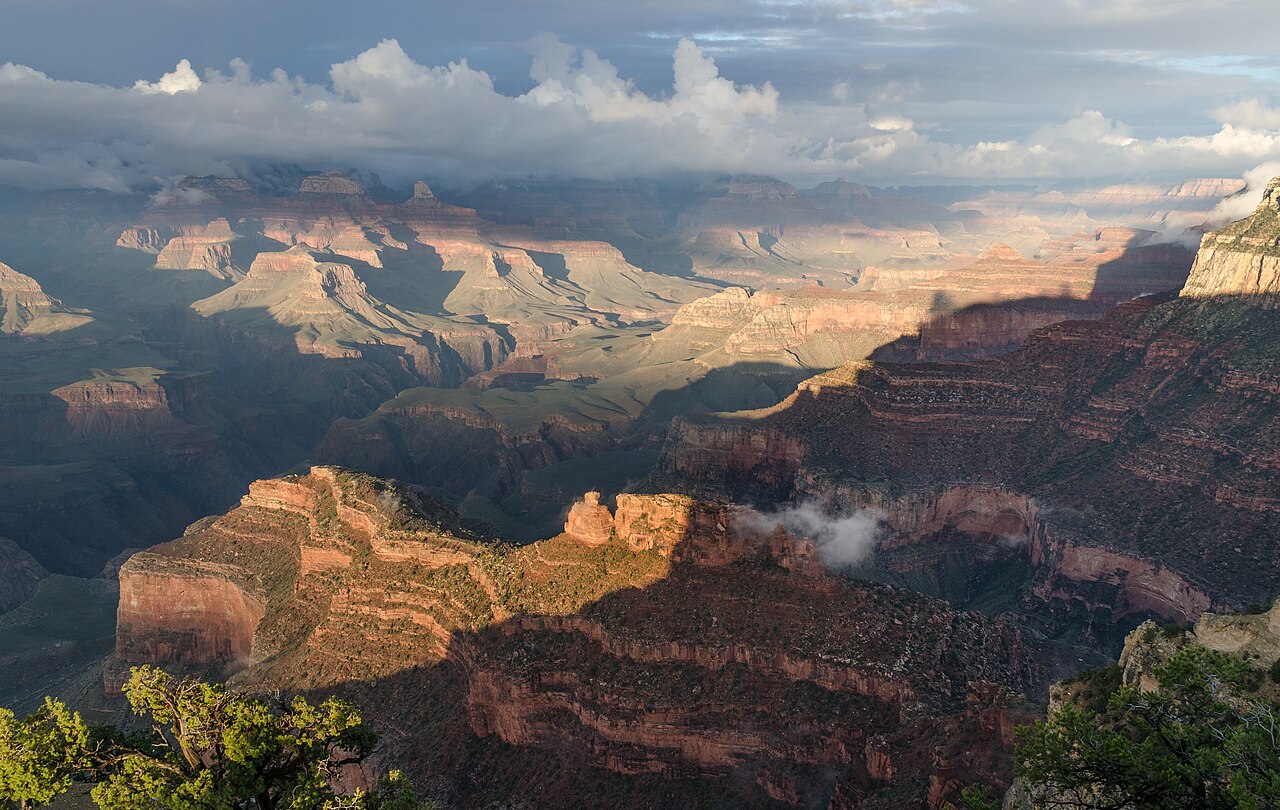
The Grand Canyon’s South Rim has viewpoints, visitor services and shuttle routes. Use the National Park Service South Rim planning page and current shuttle information; route availability changes seasonally. Do not treat a current shuttle map as valid for a future travel date without checking it again.
Florida and the Southeast
Florida combines cities, beaches, wetlands and theme parks. A car can be useful outside central areas, while an attraction-focused trip may work better with a hotel and transport plan that avoids daily long drives. New Orleans, Savannah and Charleston have distinct historic cores and food cultures. Heat, humidity and storm forecasts affect outdoor plans; consult official weather alerts during the season you travel.
The Pacific Northwest and Rocky Mountain states
Seattle and Portland work as city breaks with access to outdoor landscapes, while Colorado and the Rockies need a more deliberate driving and altitude plan. Roads, trails and visitor facilities can be seasonal. Check park alerts and local conditions before departing, and pack for the conditions at elevation rather than only the forecast in the nearest city.
When to go
There is no single national season. Spring and autumn can be comfortable in many regions but bring variable weather. Summer supports mountain and coastal trips while also bringing crowds, heat and wildfire risk in some areas. Winter is suitable for some cities and ski destinations, but snow and ice may affect roads and flights. Check the forecast and alerts for each stop, not just the first city on the itinerary.
Getting around the United States
Use local public transit in cities where it serves your route and compare intercity rail on the specific corridor. Amtrak’s route pages show where rail service runs; the national network is not a substitute for a dense high-speed system across the entire country. For long distances, compare total flight time including airport transfers and security with the time and cost of driving.
Rent a car for rural parks, small towns and routes where transit is limited. Read the rental terms for insurance, tolling, driver requirements, fuel and one-way charges. Plan breaks into long drives and avoid scheduling a full sightseeing day after an arrival flight. Before visiting a national park, check that park’s current conditions and entry details through NPS Plan Your Visit.
Routes that work
7 days: New York and Washington, D.C.
Use four nights in New York and two in Washington, adjusting for the flights. This is a compact no-car introduction with one intercity move. Each city can easily absorb more time, so keep sightseeing grouped by neighbourhood.
10 days: New York, Philadelphia and Washington, D.C.
The detailed route above remains inside the Northeast rail corridor. Four nights in New York, two in Philadelphia and three in Washington provide city depth without a domestic flight. Boston is a useful extension, but adding it here creates another check-out and takes time from New York or Washington.
14 days: Extend the corridor or choose a western region
Add three nights in Boston to the rail route and give the remaining night to your strongest interest. A western alternative should be rebuilt from the ground up around one region, a rental car, seasonal road conditions and park reservations; it should not be attached to the Northeast itinerary.
Parks, permits and attraction bookings
National parks are managed individually. Entrance, timed entry, permits, shuttles, seasonal roads and campground bookings can differ by park and date. Start at the park’s official NPS site, read the alerts and “Plan Your Visit” sections, and check again close to departure. A national pass does not automatically replace every reservation or activity fee.
For city attractions, check the official venue calendar and transit access before buying a timed ticket. Leave buffer time for security, weather and transfers. Save confirmations offline for remote areas where a phone connection may be unreliable.
Food and everyday etiquette
Regional food is part of the trip, from seafood and barbecue traditions to the cuisines of immigrant communities. Restaurant portions and service conventions vary. Menu prices may not include sales tax, which can be added at checkout; review the final bill. Carry a payment method accepted for the services you plan to use and a backup for travel days.
Entry, safety and useful checks
The United States has different routes for travellers who need a visitor visa and eligible travellers using the Visa Waiver Program. The Department of State visitor visa page explains visitor visa cases. Check official ESTA information from U.S. Customs and Border Protection only if your passport and circumstances may qualify; an ESTA application is not a visa, and authorization does not itself guarantee admission.
Healthcare costs can be substantial, so read your insurance policy for the activities and destinations you plan. Follow local instructions for weather, wildfire, heat and wildlife. In remote areas, plan fuel, water and communications rather than assuming the next service is close.
Official sources
- National Park Service: plan a visit
- Grand Canyon National Park: South Rim planning
- Grand Canyon National Park: shuttle buses
- Amtrak: route information
- Amtrak: Northeast region routes
- U.S. Department of State: visitor visas
- U.S. Customs and Border Protection: ESTA
Practical answers
United States trip planning FAQ
Is ten days enough for New York, Philadelphia and Washington?
Yes. Four nights in New York, two in Philadelphia and three in Washington is a balanced first itinerary when arrival and departure days are included honestly.
Is a rental car needed for the Northeast route?
No. Intercity rail connects the centres, and local public transport serves most visitor areas. A car usually adds parking cost and traffic.
Should Boston be added to ten days?
Usually no. Add at least three nights or replace Philadelphia if Boston is a priority; treating it as a quick extension reduces time in every city.
Are Smithsonian museums free?
General admission to Smithsonian museums is generally free, but some locations or dates may use timed passes. Check the official page for the specific museum.
How should hotel prices be compared?
Compare the final total for the same room and cancellation terms, including taxes and any mandatory destination or facility fee. Also price the airport and daily transit from the location.