Country guide Spain
Spain Travel Guide: 10-Day Madrid & Andalusia Itinerary
Plan 10 days in Spain with a detailed Madrid, Seville and Granada itinerary, realistic transfers, where to stay, food ideas and official ticket links.
Entry rules, opening times and transport schedules can change. Check the official links in each section before you book.
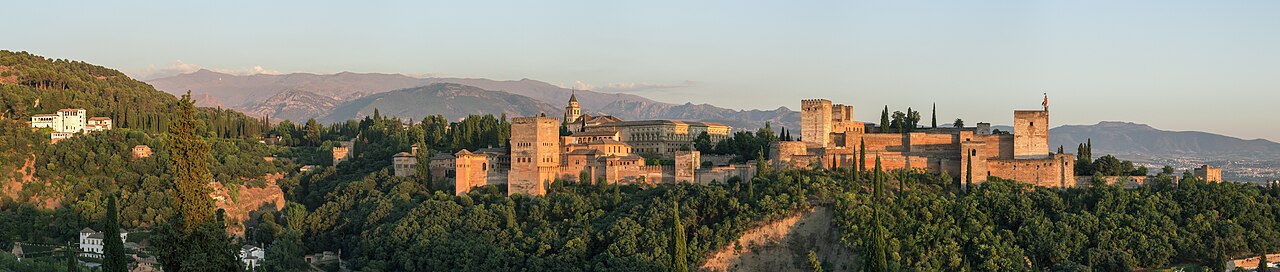
A first trip to Spain: Madrid & Andalusia
This route follows a coherent southbound line through Madrid, Seville and Granada. It avoids the common mistake of forcing Barcelona, Valencia and Andalusia into the same short trip. Córdoba works best as a stop or day trip; Granada deserves overnight time for the Alhambra and evening atmosphere.
Where to base yourself
Madrid
Centro is convenient but busy; Malasaña and Chueca suit evening activity; Retiro and Chamberí offer a calmer base. Check which rail station serves your onward train.
Seville
Santa Cruz is closest to headline sights; Arenal balances access and evening life; Triana gives a distinct neighbourhood across the river.
Granada
Centro is practical for transport and dining; lower Albaicín gives atmosphere with hills and stone streets. Check luggage access before booking high on the slope.
Day by day
Your 10-day route
Open a day for the plan, meal ideas, transfer notes and map.
Day 01 MadridArrive and settle into local time
Morning
Leave the arrival period free.
Afternoon
Check in and walk one compact loop around your base.
Evening
Use a nearby plaza for an early orientation and relaxed meal.
Eat
Start with a market, tapas bar or simple menú according to current service hours.
Getting around
Use official airport rail, Metro, bus or authorised taxi information for the actual terminal.
Day 02 Madrid · Art & RetiroOne major museum, then the park
Morning
Choose the Prado or Reina Sofía as the main museum rather than treating all three major collections as a checklist.
Afternoon
Walk through Retiro and the streets around Barrio de las Letras.
Evening
Eat in the same broad area and leave room for a slow evening.
Eat
A fixed-price lunch can be good value; verify what is included.
Getting around
The museum district and Retiro connect well on foot.
Day 03 Madrid · Historic centreRoyal Madrid and neighbourhood life
Morning
Walk Plaza Mayor, Mercado de San Miguel surroundings and the Royal Palace area.
Afternoon
Choose the palace interior or continue through La Latina and its streets.
Evening
Try a small sequence of tapas stops without crossing the city.
Eat
Order a few items at a time; popular areas vary sharply in quality and price.
Getting around
This day is walkable, with Metro available when energy drops.
Day 04 Travel day · Madrid → SevilleHigh-speed rail and a Triana evening
Morning
Take the booked train from the station printed on the ticket.
Afternoon
Check in and walk along the river towards Triana.
Evening
Eat in Triana or Arenal and keep any performance optional until the timetable is confirmed.
Eat
Look for seasonal tapas and current prices instead of chasing a single famous venue.
Getting around
Madrid has multiple long-distance stations; Seville’s Santa Justa is outside the monumental core but linked by local transport.
Day 05 Seville · Monumental coreCathedral, Giralda and the Alcázar
Morning
Use official timed tickets and avoid placing two inflexible entries too close together.
Afternoon
Continue through Santa Cruz with a proper shade and lunch break.
Evening
Return to the river or a nearby plaza when temperatures ease.
Eat
Split lunch and later tapas if heat makes a heavy midday meal uncomfortable.
Getting around
The core is walkable; summer heat changes the safe and enjoyable pace.
Day 06 Seville · Parks & neighbourhoodsPlaza de España, María Luisa and a slower afternoon
Morning
Start around Plaza de España and María Luisa Park before the hottest hours.
Afternoon
Choose a museum, siesta or neighbourhood walk rather than another full monument circuit.
Evening
Attend flamenco only if you have selected the venue and format deliberately; it is not a compulsory checkbox.
Eat
Explore Triana or Alameda according to the atmosphere you want.
Getting around
Use tram or bus to reduce exposure in hot weather.
Day 07 Travel day · Seville → GranadaChoose Córdoba only when the timing works
Morning
Travel directly to Granada, or stop in Córdoba only with confirmed luggage storage and enough time for the Mezquita-Cathedral.
Afternoon
Arrive in Granada and check in without scheduling the Alhambra.
Evening
Walk the lower Albaicín and use a viewpoint that suits your mobility and daylight.
Eat
Granada tapas customs vary by venue; ask what accompanies the drink rather than assuming.
Getting around
Direct rail or coach options depend on date. A Córdoba stop adds handling and another timed monument.
Day 08 Granada · AlhambraGive the Alhambra most of the day
Morning
Arrive according to the ticket instructions and protect the exact Nasrid Palaces entry time.
Afternoon
Continue through the Generalife and remaining complex at an unhurried pace.
Evening
Rest, then dine in Centro or Realejo.
Eat
Carry water and use the permitted refreshment areas; do not rely on fitting a distant lunch reservation around timed access.
Getting around
The complex is large and uphill from parts of the city. Use the official access guidance.
Day 09 Granada · Albaicín & SacromonteHills, viewpoints and the city below
Morning
Explore Albaicín before crowds and heat build.
Afternoon
Choose Sacromonte, the cathedral area or a long lunch according to energy.
Evening
Use a viewpoint before sunset, then descend on a route you are comfortable walking after dark.
Eat
Try local dishes from a current menu and reserve only where the setting matters to you.
Getting around
Steep lanes and cobbles make local buses valuable. Wear secure footwear.
Day 10 DepartureUse the airport that fits the whole route
Morning
Depart from Granada or transfer to Málaga if the flight choice justifies it.
Afternoon
Keep free for the real airport journey.
Evening
Departure or onward destination.
Eat
Carry a travel snack and water.
Getting around
A Málaga flight requires an additional intercity transfer. Compare total time and risk before choosing it for a small fare saving.
Trip costs
Typical planning ranges
EURChecked 2 October 2026
Typical independently booked prices for Madrid, Seville and Granada. Accommodation is per room; all other figures are per person.
| Category | Planning range | What it covers |
|---|---|---|
| Double room | €80–€220 / night | Madrid is commonly the highest base; Granada is often lower outside festival and holiday periods. |
| Food | €30–€65 / day | Breakfast, a menú or casual lunch and tapas or a sit-down dinner; drinks and destination dining are extra. |
| Local transport | €4–€10 / day | Central routes are highly walkable; allow more for airport travel or taxis with luggage. |
| Sights | €15–€40 / day | One major paid monument or museum, with free neighbourhood time around it. |
| Practical daily total | €90–€190 / person | Assumes two people sharing a double room; excludes flights, intercity rail, shopping and private tours. |
Price noteSemana Santa, Feria, football fixtures and other large events can change room prices dramatically. The Alhambra and Alcázar should be budgeted from their official ticket pages, not reseller mark-ups.
Before you book
Build Andalusia around the Alhambra date
Madrid, Seville and Granada make a coherent rail-led trip. Granada has fewer fast onward options than Madrid or Seville, so the Alhambra reservation and final departure determine the best order.
Best forFirst-time visitors who want major art museums, Andalusian architecture, neighbourhood evenings and two intercity moves.
Book in this order
- Check Alhambra availability
Use the official ticket channel and match every visitor name and required identification exactly.
- Fix the city order
Place Granada around the confirmed entry and consider the final airport or rail connection before booking flights.
- Reserve long-distance trains
Book the correct Madrid and Seville stations and leave enough time for station security and boarding procedures.
- Choose walkable bases
In Granada, confirm hills and bus access; in Seville, balance the historic centre with late-night noise and summer heat.
- Add performances carefully
Choose a flamenco venue for the performance quality and schedule, then keep the surrounding evening unhurried.
Decisions that shape the trip
Seville before Granada?
Often yes from Madrid because fast rail is straightforward, followed by a separate Seville–Granada transfer. Reverse it if Alhambra inventory or the departure airport requires.
Trade-off: The most elegant map is less important than a valid Alhambra ticket and reliable final connection.
Is Toledo worth a day trip?
Yes for a compact historic city reached from Madrid. Start early and plan the climb or local bus from the station.
Trade-off: It takes a full day that could otherwise deepen Madrid’s neighbourhoods and museums.
Where to stay in Granada?
Centro is practical for transport and dining; lower Albaicín adds atmosphere but can involve steep lanes and vehicle restrictions.
Trade-off: A dramatic view may mean stairs, cobbles and a harder luggage transfer.
Should Barcelona be added?
Only by extending the trip or replacing part of this route. It is a separate major base.
Trade-off: Adding it to ten days weakens Madrid and Andalusia and adds another long move.
Common planning mistakes
- Waiting to book the Alhambra until hotels and trains are non-refundable.
- Treating meal times and afternoon closures as identical to home routines.
- Choosing Granada lodging from a map without checking slope, steps and vehicle access.
- Trying to see Toledo as a short stop between hotel changes.
- Scheduling long exposed walks through Seville in the hottest part of a summer day.
If the plan changes
Move outdoor monuments to opening time, take a long indoor or rest break, and use the cooler evening for plazas and neighbourhood walks.
Do not rely on unofficial promises. Check verified guided inventory, then build a Granada day around the Albaicín, cathedral area and other accessible heritage.
Confirm the operating status and ticket rights with the carrier. Preserve the overnight bases and use a coach only after comparing the actual terminal and arrival time.
Phone setup
Useful apps for Spain
Verified 2 October 2026
Use Renfe for the booked intercity legs, then the responsible city operator for live local information. A ride app is a backup for specific transfers, not the default way to cross compact historic centres.
Renfe
Madrid, Seville, Granada and the national Renfe network
Buy and manage eligible journeys, check schedules and monitor train punctuality.
Know before using: Tickets on other rail brands are not managed here. Long-distance tickets are passenger-specific, so keep matching identification available.
Official app informationMetro de Madrid Official
Madrid Metro
Plan metro routes, review the network and check service information for Madrid days.
Know before using: The app helps with the metro network; airport supplements and physical or digital fare media follow the current transport authority rules.
Official app informationTUSSAM
Seville municipal transport
Check stops, waiting times and route information for buses and the local tram.
Know before using: Historic-centre walking can be faster than a connection. Verify whether mobile purchase or validation supports the fare you intend to use.
Official app informationCabify
Supported Spanish cities; verify the current service area in the app
Request a ride for an awkward hotel, station or airport transfer and retain the trip details.
Know before using: Vehicle categories, airport pickup points and availability vary by city and time.
Official app informationApp availability, payment support and service areas can change. Confirm the developer name on the official page before installing; keep tickets and essential addresses available offline.
Spain combines major art cities, historic towns, Mediterranean and Atlantic coasts, mountains and distinct regional cultures. The key planning choice is distance: Madrid, Barcelona, Seville and the northern coast do not fit together as if they were neighbouring districts. Choose a region, check the transport legs, and protect time for the places between the headline attractions.
At a glance
- Capital: Madrid
- Currency: Euro (€)
- Languages: Spanish is the state language; Catalan, Galician and Basque are also official in their respective regions.
- Good first-trip length: One week for two well-connected bases; two weeks for a regional route with coast or smaller towns.
- Best way to compare intercity transport: Check the operating company, departure station and full journey time; Renfe operates many long-distance and high-speed routes.
- Entry checks: Rules depend on your passport and trip. Start with the European Commission’s Schengen visa guidance, then follow the Spanish consulate’s instructions for your place of residence.
Choose a region
Madrid and central Spain
Madrid is a practical first base for major art museums, neighbourhoods, food markets and onward rail journeys. Pick one or two museums rather than trying to cover the Prado, Reina Sofía and Thyssen-Bornemisza in a single day. Toledo and Segovia are possible day trips, but each deserves enough time to explore beyond the station-to-monument dash.
How to plan: Check the museum’s own opening day and admission rules, then add the local transit journey. Madrid has more than one long-distance station; verify which station is printed on your ticket before choosing accommodation or planning a transfer.
Barcelona and Catalonia
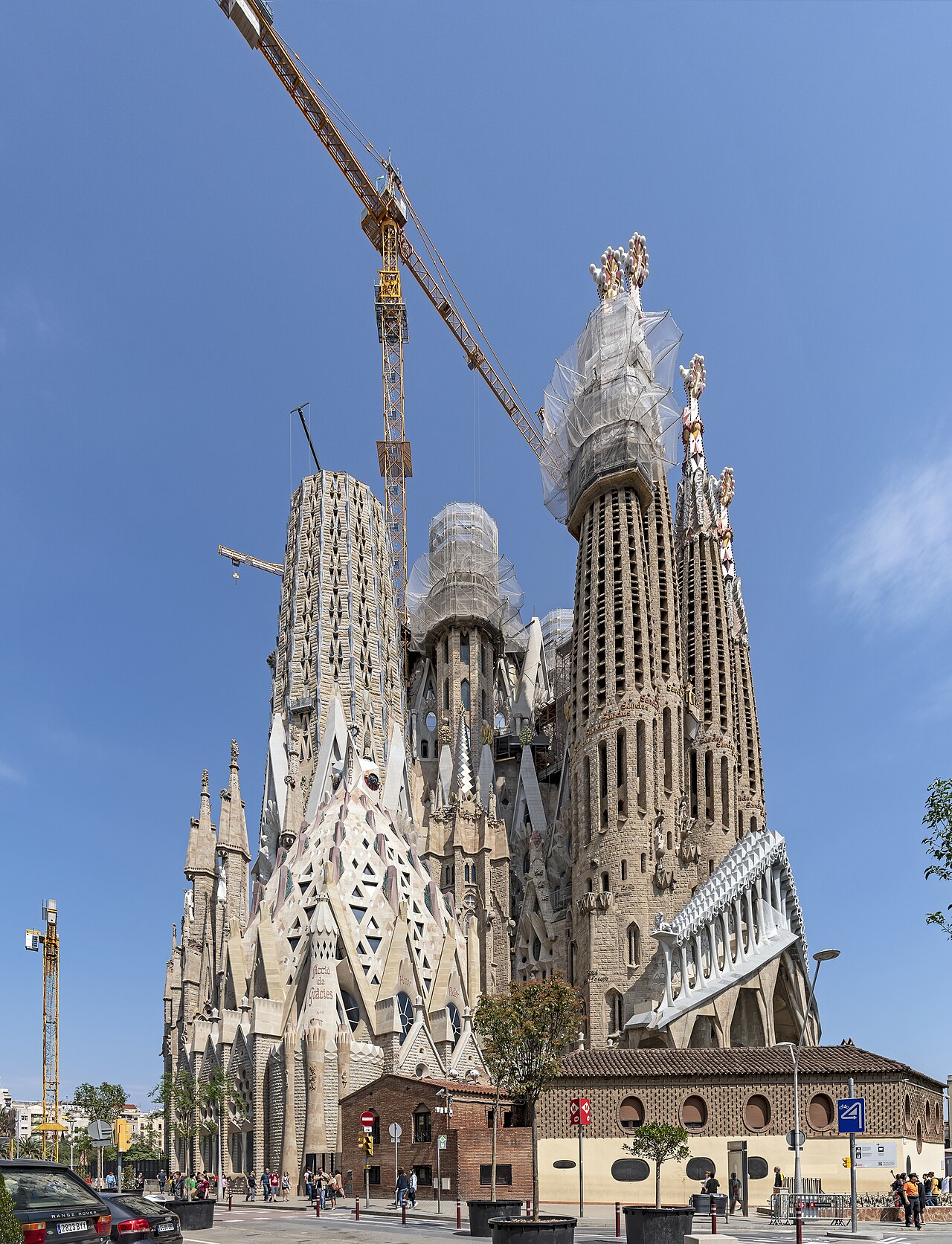
Barcelona is known for Gaudí’s architecture, the old city, markets and a Mediterranean waterfront. Treat the Sagrada Família, Park Güell and other timed-entry sights as separate bookings: use the official Sagrada Família visitor and ticket page and the Park Güell site. A timed ticket does not make the places walkable from one another; use the city transport planner and group visits by area.
Girona is a convenient rail-connected addition. The Costa Brava’s smaller coves and towns require more attention to seasonal buses, local connections or a car. Check the final leg before booking an overnight stay in a coastal village.
Andalusia
Seville, Córdoba and Granada make a strong first southern route. The historic centres reward walking, but summer heat changes how far and how long it is comfortable to be outside. Start outdoor sightseeing earlier, plan shade and water breaks, and leave the hottest part of the day for indoor visits or rest.
For Granada’s Alhambra, use the official Patronato de la Alhambra ticket and visit information. Ticket categories and access arrangements can change, and the Nasrid Palaces require attention to the entry time on your ticket. Check the exact instructions before travel rather than relying on an old blog itinerary.
Getting between cities: Compare the stations and actual journey times on Renfe. Córdoba is a natural stop between Madrid and Seville for many rail itineraries; Granada and Málaga have their own connections. Local bus or taxi transfers may still be needed between a station and a hillside or coastal accommodation.
Valencia and the Mediterranean
Valencia combines an old centre, contemporary architecture and beach access. Decide whether your visit is primarily city sightseeing or a longer coast-and-islands stay: the Balearic Islands require a separate ferry or flight plan, and summer accommodation is in strong demand. Confirm the port or airport and the onward transfer to your hotel before purchasing a ticket.
The Basque Country, Cantabria, Asturias and Galicia
Northern Spain brings a cooler, greener landscape, Atlantic coast, food traditions and distinct regional identities. Bilbao and San Sebastián work well as a city pairing, while rural coast and mountain stops may be easier with a car. Weather can change quickly; keep a flexible outdoor plan and check local forecasts. Don’t assume the high-speed network serves every small destination—compare rail and bus options for the whole route.
When to go
Spring and autumn often suit city walks and regional touring, but popular festivals can fill rooms and trains. Summer brings beach weather and peak demand; inland Andalusia and central Spain can be very hot, so outdoor schedules need adjustment. Winter is milder in some southern areas and colder in central and northern regions, with mountain conditions requiring separate checks. Spain’s climate is regional: use forecasts for the exact cities and dates on your route.
Getting around Spain
High-speed rail is useful on established corridors, including Madrid–Barcelona and Madrid–Seville, but it does not replace regional buses and trains. Search current departures with Renfe and check the ticket’s station name, baggage conditions and change rules. Renfe lists its main stations and route information; other operators may also serve some routes, so compare the actual service you are booking.
For smaller towns, look at regional rail and coach connections before committing to a hotel. A rental car can unlock rural routes, but city parking, tolls and local access restrictions may make it an expensive way to visit a major centre. If driving, verify the current rules for each city and the accommodation’s parking arrangements.
Routes that work
7 days: Madrid and Seville
Use three nights in each city and let the flight schedule decide where the remaining usable time falls. Córdoba is an optional stop only when luggage storage, monument entry and the onward service all line up.
10 days: Madrid, Seville and Granada
The detailed plan above stays on a coherent central-and-southern route. Three nights in each base support art in Madrid, a full Seville rhythm and an unhurried Alhambra day. Barcelona belongs in a separate Madrid–Barcelona itinerary at this trip length; adding it after Granada creates a long cross-country transfer.
14 days: Deepen Andalusia
Add Córdoba plus Málaga or Cádiz to the ten-day route. Use Córdoba as an overnight when you want its evening atmosphere and more than the Mezquita-Cathedral; otherwise it can work between Madrid and Seville with a carefully checked luggage plan.
Sights, tickets and reservations
Book only after checking the official attraction calendar. The Sagrada Família, Park Güell and Alhambra have their own entry rules and ticket windows; a third-party listing may not show the latest access instructions. Popular festivals also affect accommodation and transport. Keep an offline copy of booking confirmations and note the entry time, entrance gate and cancellation conditions.
Food and everyday etiquette
Food and meal customs vary across Spain. Tapas can mean different portion sizes and ordering styles from one bar to another, so ask what a dish includes before ordering for a group. Meal times are often later than in northern Europe, though visitor areas have broader hours. Spanish is widely useful; in Catalonia, Galicia and the Basque Country, you will also see regional languages in public life and signage.
Entry, safety and useful checks
Visa and entry conditions depend on nationality, residence, travel purpose and length of stay. Read the European Commission’s Schengen visa guidance, then follow the Spanish consulate’s instructions for your place of residence. Confirm the requirements that apply to your passport before buying non-refundable travel.
In crowded tourist areas and on public transport, keep phones and bags secure. During hot weather, use local heat advice and change outdoor plans if conditions require it. Check coastal, wildfire and transport alerts from the relevant local authority when travelling.
Official sources
- Spain’s official tourism portal: destinations
- European Commission: applying for a Schengen visa
- Renfe: rail journeys and current tickets
- Sagrada Família: visit and tickets
- Park Güell: visitor information
- Alhambra: official visitor and ticket information
- European Commission: Schengen travel and visa policy
Practical answers
Spain trip planning FAQ
Is ten days enough for Madrid, Seville and Granada?
Yes. Four nights in Madrid, three in Seville and two in Granada gives each base meaningful time while keeping hotel changes limited.
How far ahead should the Alhambra be booked?
As soon as the official calendar offers your dates if the visit is essential. Availability varies by season and ticket type, and visitor identification rules must be followed.
Can this Spain route be done without a car?
Yes. Long-distance rail and a planned Seville–Granada connection cover the route, while the central areas are explored on foot and by local transport.
Should Córdoba be an overnight stop?
It can be, but on a ten-day first trip it usually works better as a carefully planned stop or day trip so the route retains three bases.
Where should you watch flamenco?
Choose a reputable performance in Madrid, Seville or Granada based on the artists, duration and seating information. Treat dinner and the show as separate decisions unless the venue clearly explains the format.