Country guide France
France Travel Guide: 10-Day Paris & Provence Itinerary
Plan 10 days in France with a realistic Paris and Provence itinerary, daily routes, where to stay, train guidance, food ideas and official booking links.
Entry rules, opening times and transport schedules can change. Check the official links in each section before you book.
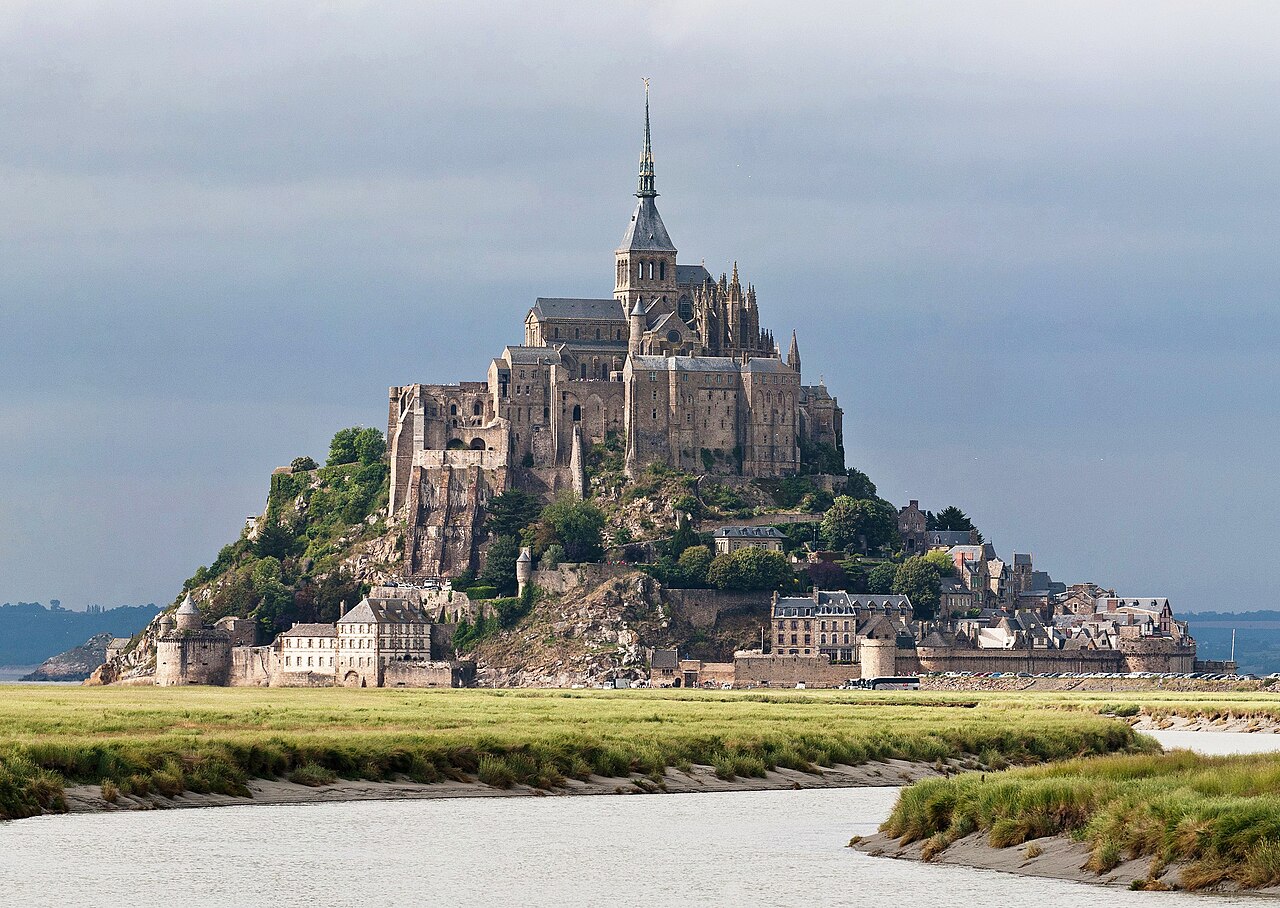
A first trip to France: Paris & Provence
This route pairs five nights in Paris with four in Avignon. It reflects a repeated practical lesson from travellers: Paris needs several unhurried days, while rural Provence works better from one base than through daily hotel changes. Avignon is the rail base; reaching smaller villages may still require a tour or car.
Where to base yourself
Paris
Choose a base near a useful Metro or RER line. The Marais and Latin Quarter suit central walking; the 9th and 11th arrondissements can balance neighbourhood life with transport. Check the exact walk from the station, not only the arrondissement name.
Avignon
Stay inside or just outside the walls if you want an evening atmosphere and easy access to Avignon Centre. Avignon TGV is a separate station, so include its local connection when comparing hotels.
Day by day
Your 10-day route
Open a day for the plan, meal ideas, transfer notes and map.
Day 01 ParisArrive and learn your immediate neighbourhood
Morning
Keep the arrival period free for the airport journey and check-in.
Afternoon
Walk one compact loop near the hotel, locate the nearest station and buy the transport product that fits your actual stay.
Evening
Eat close to your base and save a major monument for a rested day.
Eat
Use a neighbourhood boulangerie or casual bistro; check service hours because lunch and dinner periods are not continuous everywhere.
Getting around
Airport-to-city routes differ by airport and disruption. Use the official transport planner on the day.
Day 02 Paris · Historic coreÎle de la Cité, the Latin Quarter and the Seine
Morning
Begin around Île de la Cité, then cross into the Latin Quarter. Reserve any timed interior visit before the trip.
Afternoon
Continue through Saint-Germain or the Luxembourg Gardens rather than crossing the city for another headline sight.
Evening
Walk a short stretch of the Seine after dinner if weather and energy allow.
Eat
Plan lunch one or two streets away from the busiest monument frontage; choose by current menu and atmosphere rather than a viral list.
Getting around
This is a walking day with short Metro options. Cobblestones and river steps can affect accessibility.
Day 03 Paris · Louvre & central axisGive one major museum enough time
Morning
Use a prebooked Louvre entry and choose a limited set of galleries instead of trying to cover the entire collection.
Afternoon
Recover outdoors through the Tuileries and Place de la Concorde. Add the Orangerie only if a second museum genuinely suits your pace.
Evening
Keep dinner in the same side of the city.
Eat
A simple lunch before or after the museum prevents the visit from becoming a race against a reservation.
Getting around
Arrive at the entrance stated on your ticket and allow for security.
Day 04 Paris · WestEiffel Tower, the river and one neighbourhood
Morning
Visit the Eiffel Tower area early or use a timed ticket. Decide whether you want to ascend before buying.
Afternoon
Choose a Seine cruise or continue on foot towards Invalides; leave time for ordinary street life rather than stacking viewpoints.
Evening
Have dinner in the 7th, 15th or near your hotel instead of scheduling another distant crossing.
Eat
Treat a market picnic as weather-dependent and verify where eating is permitted.
Getting around
Different tower entrances serve different ticket types. Follow the current official arrival instructions.
Day 05 Paris · Choose your priorityVersailles or a full neighbourhood day
Morning
Choose one: dedicate most of the day to Versailles, or remain in Paris for Montmartre and the covered passages.
Afternoon
At Versailles, the palace, gardens and wider estate require more time than a single interior circuit. In Paris, pair nearby streets and viewpoints.
Evening
Return without another timed commitment.
Eat
Carry water and plan a proper break; both options involve substantial walking.
Getting around
Versailles uses a suburban rail journey and the estate is large. Recheck transport work and the palace calendar.
Day 06 Travel day · Paris → AvignonMove south and settle into one Provence base
Morning
Take a booked train from the station shown on the ticket. Leave hotel-to-station buffer time.
Afternoon
Check in at Avignon and walk the streets inside the walls.
Evening
Use Place de l’Horloge and the lanes around your accommodation as an easy first evening.
Eat
Try a Provençal menu only after checking the current offering; avoid building the day around a distant reservation.
Getting around
Avignon TGV and Avignon Centre are different stations. Confirm whether your train arrives at the TGV station and how you will complete the last leg.
Day 07 AvignonPalace, bridge and the old city
Morning
Visit the Palais des Papes with enough time for the scale of the complex.
Afternoon
Continue to the bridge and Rocher des Doms, then slow down in the old streets.
Evening
Stay in Avignon for dinner so the day does not depend on a late rural return.
Eat
Look for seasonal dishes and ask about the set menu; opening days can vary.
Getting around
The historic core is walkable but includes stone surfaces and slopes.
Day 08 Provence · Western loopChoose villages with a workable return
Morning
Use a guided small-group route or car for a focused western loop such as Saint-Rémy and Les Baux.
Afternoon
Allow real time in two places rather than collecting village names from a long circuit.
Evening
Return to Avignon before dinner.
Eat
Market days can shape lunch options, but verify the weekday for your dates.
Getting around
Rural buses are not designed around every sightseeing combination. Confirm the full outbound and return journey before departure.
Day 09 Provence · Choose by seasonRoman heritage, wine country or the Luberon
Morning
Choose one coherent direction: Nîmes by rail, a responsible wine excursion, or a Luberon village loop.
Afternoon
Stay with the same direction and avoid combining distant corners of Provence.
Evening
Return for a final Avignon evening and pack before dinner.
Eat
If wine tasting, arrange a driver or tour and confirm what is included.
Getting around
Nîmes is the rail-friendly option. Vineyard and Luberon plans usually need a tour or car.
Day 10 DepartureLeave room for the real onward journey
Morning
Check out and travel to the departure airport or onward station.
Afternoon
Keep this period free unless the onward journey is genuinely late.
Evening
Departure or next destination.
Eat
Buy water and a simple travel meal after checking baggage and security restrictions.
Getting around
For a Paris departure, a same-day Avignon connection can be vulnerable to disruption. Compare an open-jaw flight, a Marseille departure or a final Paris night when booking.
Trip costs
Typical planning ranges
EURChecked 2 October 2026
Typical independently booked prices for the Paris–Avignon route. Accommodation is per room; all other figures are per person.
| Category | Planning range | What it covers |
|---|---|---|
| Double room | €90–€250 / night | Paris usually sits at the upper end; Avignon outside major events is often lower. |
| Food | €35–€75 / day | Bakery breakfast, casual lunch and a neighbourhood bistro dinner; alcohol and destination dining cost more. |
| Local transport | €5–€13 / day | A few urban journeys or a Paris day ticket. Airport travel and rural Provence excursions are separate. |
| Sights | €15–€40 / day | One major paid sight or museum plus free walking time. |
| Practical daily total | €110–€225 / person | Assumes two people sharing a double room; excludes flights, intercity rail, shopping and private tours. |
Price noteProvence car hire, fuel, parking or a small-group village tour can add €45–€120 per person on an excursion day. Paris hotel prices rise sharply around major events.
Before you book
Make Paris and Provence work as one trip
This route uses Paris for a deep city stay, then Avignon as a rail-connected base for Provence. The key is to decide which village days need a car before reserving accommodation.
Best forFirst-time visitors who want major Paris sights and a contrasting southern base, with no more than one hotel change.
Book in this order
- Fix the international travel window
Allow for the arrival day and avoid putting a timed attraction immediately after landing.
- Reserve the Paris–Avignon train
Book the actual station pair and check whether the service uses Avignon TGV or Avignon Centre; they are separate stations.
- Choose the Provence transport model
Pick rail and guided day trips for simplicity, or reserve a car only for the village days. Check parking before choosing a historic-centre hotel.
- Secure capacity-limited sights
Book the Eiffel Tower, major exhibitions and any guided activity you would be disappointed to miss through their official ticket pages.
- Fill flexible neighbourhood days
Keep markets, parks, river walks and smaller museums movable so weather and energy can guide the final order.
Decisions that shape the trip
Avignon TGV or Avignon Centre?
Centre is walkable to the walled city; TGV handles many fast trains and needs a local connection. Choose lodging only after checking the arrival station.
Trade-off: A cheaper room near the TGV station can add a transfer to every evening in town.
Do you need a car in Provence?
Not for central Avignon, Arles or many rail-linked towns. A car becomes valuable for dispersed villages and countryside stops.
Trade-off: Driving adds flexibility but also parking, restricted streets and a sober-driver requirement for wine visits.
How much Paris is realistic?
Group sights by area and plan one major museum or monument per half-day. Keep transit time and security queues in the schedule.
Trade-off: More timed tickets reduce spontaneity and make delays harder to absorb.
Should you add the Riviera?
Only with additional nights. Nice and the Riviera form another base and should not be treated as an Avignon day trip.
Trade-off: Adding it to ten days usually takes time from either Paris or Provence.
Common planning mistakes
- Treating every Paris museum as a short stop instead of allowing for entry checks and fatigue.
- Booking a Provence hotel before deciding whether a car and overnight parking are needed.
- Assuming every TGV arrives in the historic centre.
- Planning several distant villages in one day without checking drive and parking time.
- Relying on a restaurant or shop being open every day, especially outside peak season.
If the plan changes
Use the reserved museum, covered passages and market halls; move viewpoints and long garden walks to the clearest day.
Shorten exposed walks, use an indoor heritage site and move countryside driving to a safer window.
Check the operating train company before leaving, preserve the same base, and avoid buying a replacement until the original ticket conditions are clear.
Phone setup
Useful apps for France
Verified 2 October 2026
For this itinerary, one Paris transit app and one national rail app cover most daily needs. Add a taxi app only if you expect early departures, limited mobility or luggage-heavy transfers.
Île-de-France Mobilités
Paris and the surrounding Île-de-France region
Plan public-transport journeys, follow disruption and, on supported phones, buy or load eligible tickets and passes.
Know before using: Phone ticket compatibility and the best visitor fare depend on the device and journey. Do not buy a pass until you have compared the zones and travel days.
Official app informationSNCF Connect
National rail, including Paris–Avignon planning
Search, buy and manage eligible SNCF journeys and monitor the booked train.
Know before using: Check the exact station: Avignon TGV and Avignon Centre are different, as are several Paris terminals.
Official app informationG7 Taxi
Paris and selected French cities
Request or pre-book a licensed taxi and keep the pickup and trip record in the app.
Know before using: Airport flat fares, reservation supplements and vehicle options have their own conditions; check the displayed service before confirming.
Official app informationUber
Paris, Avignon and other supported French cities
Compare an app-requested ride with public transport or a licensed taxi when the route or hour is inconvenient.
Know before using: Availability and price vary in real time. A pickup pin near stations or restricted streets may differ from your location.
Official app informationApp availability, payment support and service areas can change. Confirm the developer name on the official page before installing; keep tickets and essential addresses available offline.
France is not a single city break stretched across a map. Paris, the Atlantic coast, the Alps, Provence and the Mediterranean each call for a different pace and often a different way of getting around. A rewarding first itinerary normally combines one major city with one region, rather than trying to collect every famous name in a week.
At a glance
- Capital: Paris
- Currency: Euro (€)
- Language: French. In smaller towns, a few polite French phrases can make everyday interactions easier.
- Good first-trip length: A week works well for Paris and one additional base; two weeks allows a more distinct regional route.
- Best way to travel between major cities: Compare rail journeys through SNCF Connect; rural connections may need a local bus or rental car.
- Entry checks: Requirements depend on your passport and trip. Start with the France-Visas eligibility assistant.
Choose a region
Paris and Île-de-France
Paris is the strongest first base for art, architecture, food and neighbourhood walks. Plan by adjoining areas: the Louvre and Tuileries Gardens can share a day, while the Marais and Île de la Cité make a natural walking pairing. The city is large; avoid stacking timed tickets at opposite ends of town. Use the official Paris visitor information and each attraction’s own calendar when setting dates.
How to visit: Stay near a Metro or RER stop that suits your itinerary, and check the route back before booking late events. For Versailles, use the RER/train information and visitor advice on the Palace of Versailles website. The palace, gardens and estate are extensive, so decide in advance what you want to see.
Normandy and Brittany
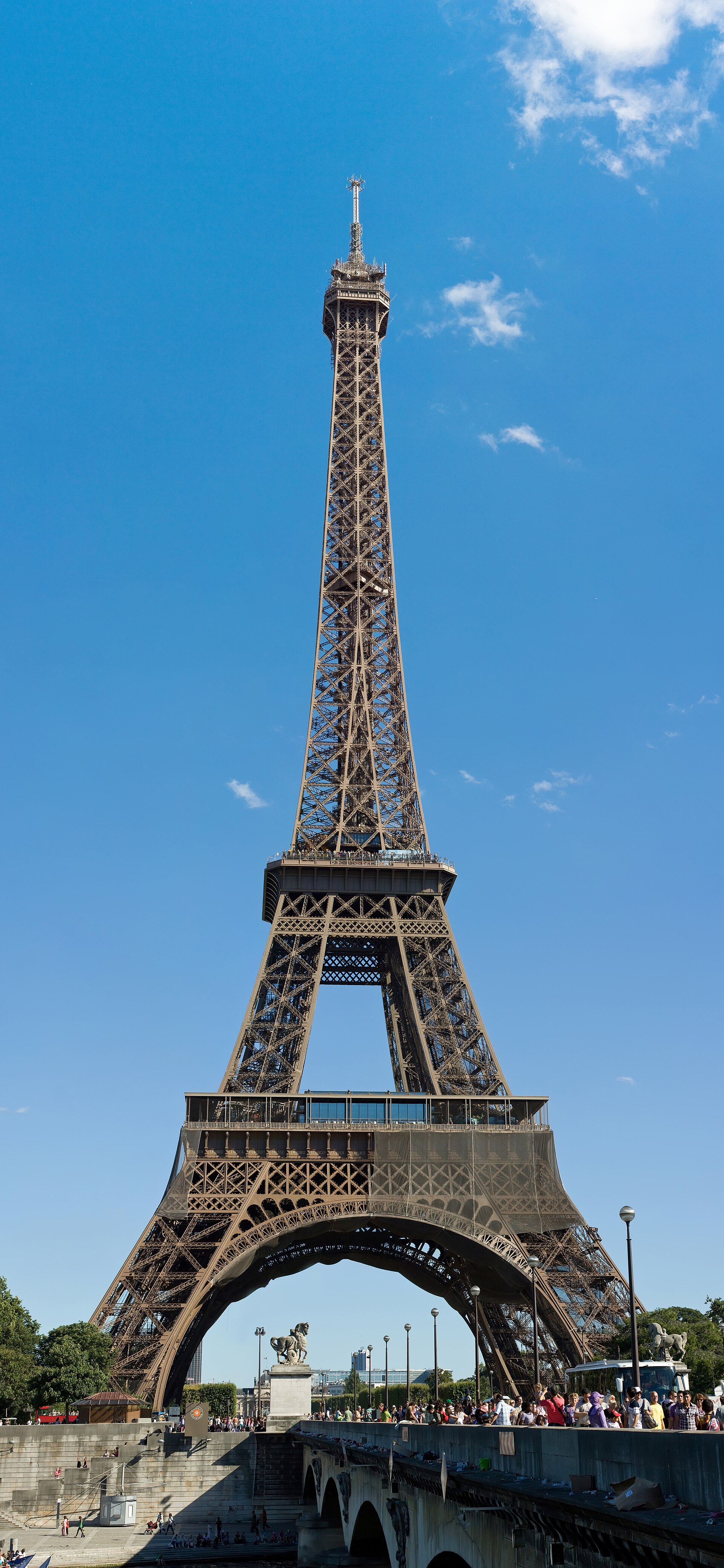
Normandy pairs Rouen, the D-Day landing area and the tidal setting of Mont-Saint-Michel. Brittany has a separate maritime character, with towns such as Saint-Malo and a rugged Atlantic coast. These are not interchangeable day trips from Paris: pick a base and allow time for onward travel between smaller places.
How to get there: Trains from Paris serve larger Normandy cities; check the origin station and current departure times with SNCF Connect. Mont-Saint-Michel takes additional planning: compare the train journey with the final local connection before choosing a departure, and use the official visitor site for current access information. A car can help with rural stops, but it is not needed for every itinerary.
Loire Valley and Bordeaux
The Loire Valley suits travellers interested in châteaux, gardens, river landscapes and cycling. Tours is a practical rail-connected base; a car or local tour can make it easier to reach several country estates in one day. Check each château’s opening calendar and book directly when timed admission is offered.
Bordeaux is worth time as a city in its own right, as well as a base for wine-country visits and the Atlantic coast. A winery appointment is not the same as turning up at a shop: check the producer’s visitor page and reserve ahead.
Provence and the French Riviera
Avignon, Arles and Aix-en-Provence give a mix of Roman heritage, markets and city life. From there, the countryside and smaller villages reward a slower plan. The coastal rail corridor makes several Riviera towns possible without a car, while inland villages often need a bus timetable, a local excursion or a rental vehicle.
Practical choice: In summer, pick either a city-and-village itinerary or a coastal base with occasional day trips. Trying to combine both every day means repeated transfers in the hottest and busiest period.
Alsace and the Alps
Strasbourg and Colmar make a manageable rail-based introduction to Alsace. The Alps are a different trip: altitude, weather and seasonal lifts affect what is open, and a town’s mild forecast does not describe trail conditions higher up. Check local mountain information on the day before setting off.
When to go
Spring and early autumn are often comfortable for walking and regional sightseeing, but they are not guaranteed to be quiet or dry. July and August bring long days and strong demand at beaches, popular towns and major sights; heat can also change the comfort of a city itinerary. Winter is a good fit for some Alpine resorts and city visits, while daylight and rural service frequency are more limited. Pick dates around the specific region and activities you want, then check local event calendars before booking accommodation.
Getting around France
Use intercity rail for the major city-to-city legs and check the full journey from your accommodation to each station before buying. SNCF Connect is the operator’s booking and journey-planning site; schedules, fares, engineering work and strike-related changes are time-sensitive, so recheck close to departure. Regional trains and buses may be less frequent than the headline route suggests.
A rental car is most useful when several rural stops have awkward public transport connections. It is usually a burden for a Paris stay: parking, city access rules and traffic add time and cost. If renting for a regional leg, compare pickup and drop-off locations and verify current low-emission requirements with the relevant city before driving.
Routes that work
7 days: Paris in depth
Use Paris as the only base. Five full sightseeing days leave room for two major museum days, neighbourhood walks and one optional Versailles visit without moving luggage. If you strongly prefer two cities, use four nights in Paris and two in Lyon and book an open-jaw journey where possible.
10 days: Paris and Provence
The detailed plan above uses five nights in Paris and four in Avignon. It works because the long intercity move happens once and Avignon supports both a strong city day and selected regional excursions. Rural Provence still requires a deliberate transport choice; do not assume every village pair is connected for a useful day trip.
14 days: Add one coherent third region
Add the Riviera after Provence, or pair Paris with Normandy and the Loire. Keep a maximum of three bases. A trip that combines Paris, Normandy, the Loire, Provence and the Riviera usually trades too much of the holiday for check-outs and station transfers.
Sights, tickets and reservations
Make a short priority list before booking. For the Louvre, Versailles and other high-demand attractions, use the attraction’s official ticketing or visitor-information page; reseller availability does not confirm that an entry slot is valid. Put timed visits early in the day and group the remaining stops by neighbourhood. For outdoor sites, look up the official weather, access and closure notices rather than relying on an old itinerary.
Food and everyday etiquette
Markets, bakeries and neighbourhood cafés offer useful choices at different price points. Menus and meal hours vary by place and season. A simple “Bonjour” before asking for help is a courteous start in a shop or café. Service may already be included in a restaurant bill; check the receipt and tip further only if you want to.
Entry, safety and useful checks
Visa requirements depend on nationality, residence, purpose and length of stay. Use the France-Visas assistant and read the result and next steps for your case; a visa or travel authorisation should never be inferred from another traveller’s experience. For short Schengen stays, consult the European Commission short-stay calculator as well as the national guidance.
For current transport disruptions, use the operator’s updates. In crowded stations and tourist areas, keep documents and valuables secure. If your plan includes a hike, coast or mountain activity, check local conditions and access notices directly before leaving.
Official sources
- Explore France: destinations and regions
- France-Visas: check whether you need a visa
- SNCF Connect: France rail journeys
- Paris tourist information
- Mont-Saint-Michel visitor information
- European Commission: Schengen short-stay calculator
Practical answers
France trip planning FAQ
Is ten days enough for Paris and Provence?
Yes for a focused first trip with roughly five nights in Paris and four in Avignon, allowing for arrival and departure. It is not enough to add the Riviera without reducing depth.
Can this France route be done without a car?
Paris, Avignon and rail-linked towns can be visited without one. Use a small-group tour or a short rental for villages that do not fit the regional transport timetable.
Where should a first-time visitor stay in Paris?
Choose a well-connected neighbourhood inside Paris near a métro or RER stop that serves the planned areas. Check the exact walk, late arrival access and lift before booking.
How early should major attractions be booked?
Book once official inventory opens if a specific date or summit visit matters. Release schedules vary, so use the attraction’s official page rather than a reseller’s countdown.
Is Avignon a useful Provence base?
Yes for travellers arriving by rail who want a historic centre and access to several towns. A countryside stay is better when quiet evenings and driving between villages are the priority.